
As industrial facilities worldwide pursue digital transformation and operational efficiency, the decision to replace aging flowmeters becomes a strategic investment rather than a routine maintenance task. Modern flow measurement technology has evolved dramatically, offering capabilities that extend far beyond simple volume tracking to encompass predictive diagnostics, energy optimization, and seamless integration with enterprise data ecosystems.
Understanding the Upgrade Imperative
Industrial flowmeters typically operate in demanding environments where accuracy degradation occurs gradually. Many facilities continue operating with instruments that deliver acceptable but suboptimal performance, unaware of the cumulative costs associated with measurement uncertainty. The question facing operations managers is not whether to upgrade, but when and how to maximize return on investment.
Three critical factors drive flowmeter replacement decisions. First, measurement accuracy deterioration directly impacts material accounting, energy consumption calculations, and regulatory compliance. Even a seemingly modest drift from ±0.5% to ±1.0% accuracy can translate to significant financial losses in high-volume applications. Second, maintenance burden escalation occurs as mechanical components wear and electronic systems age, requiring increasing technician intervention and spare parts inventory. Third, technological obsolescence prevents facilities from leveraging advances in wireless communication, cloud analytics, and predictive maintenance capabilities that modern instrumentation provides.
Evaluating Replacement Versus Repair Economics
The repair-or-replace decision requires careful analysis of total cost of ownership rather than initial capital outlay alone. Aging flowmeters accumulate hidden costs through calibration drift requiring frequent verification, downtime for troubleshooting intermittent failures, and inability to provide diagnostic data that enables proactive maintenance scheduling.
Modern electromagnetic flowmeter technology addresses these pain points through fundamental design improvements. Advanced signal processing architectures utilizing high-performance Voltage-to-Frequency Conversion (VFC) technology maintain measurement stability across varying process conditions. Unlike older amplitude-based designs susceptible to noise interference, VFC systems convert the induced electromotive force into frequency signals that resist degradation during transmission, ensuring consistent accuracy throughout the instrument lifecycle.
Power efficiency represents another critical advancement. Traditional electromagnetic flowmeters consume substantial energy maintaining continuous magnetic field excitation. Contemporary designs employ square wave pulse excitation with energy recovery systems that minimize power consumption during magnetic field reversal cycles. This innovation proves particularly valuable in remote monitoring applications where grid power is unavailable or prohibitively expensive to install.
Strategic Advantages of Modern Measurement Systems
Facilities upgrading to current-generation electromagnetic flowmeters gain capabilities extending well beyond improved measurement performance. The integration of Industrial IoT connectivity transforms flow measurement from isolated data points into actionable intelligence within enterprise management systems.
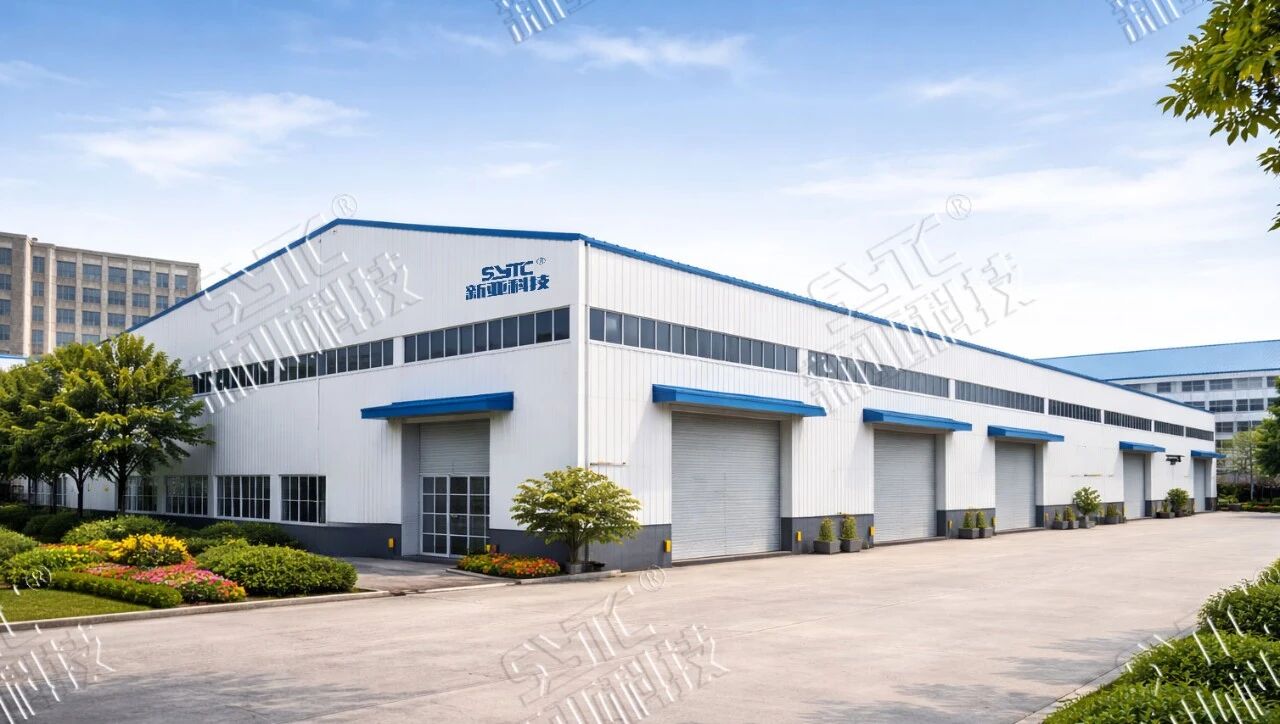
Kaifeng XinYa Instrument Co., Ltd. exemplifies this evolution through its comprehensive electromagnetic flowmeter portfolio engineered specifically for industrial upgrade scenarios. The company's SF-E Electromagnetic Flowmeter series addresses the core challenge of reliable measurement in electrically noisy industrial environments through bidirectional constant current drive systems that maintain excitation stability regardless of ambient electromagnetic interference.
For facilities operating large-diameter pipelines where full-bore meter replacement presents prohibitive costs, insertion-style measurement technology offers a compelling alternative. The SF-C Insertion Electromagnetic Flowmeter accommodates pipe diameters up to DN3000 with installation procedures that eliminate process shutdown requirements. The adjustable insertion depth capability allows optimization based on actual flow profiles, delivering measurement performance comparable to full-bore instruments at a fraction of the installation complexity.
Addressing Application-Specific Challenges
Industrial upgrade projects frequently involve specialized measurement challenges that generic flowmeters cannot adequately address. Slurry applications exemplify this complexity, where solid particle content creates both physical wear and signal interference problems.
Advanced slurry flowmeters incorporate variation restraint algorithms that distinguish between actual flow variations and transient signal disturbances caused by solid particles striking electrodes—a phenomenon known as "cuspidal disturb." This signal processing innovation, combined with abrasion-resistant materials such as polyurethane and ceramic linings, extends instrument service life in coal-water slurry, mineral tailings, and pulp applications where conventional meters fail prematurely.
Food and pharmaceutical facilities face equally demanding requirements, though driven by contamination prevention rather than abrasion resistance. The SF-W Food Safety Electromagnetic Flowmeter incorporates sanitary design principles that eliminate fluid stagnation zones where bacterial growth could occur, meeting stringent hygienic standards while maintaining measurement accuracy of ±0.2% under optimal conditions.
Integration with Digital Infrastructure
The most transformative aspect of modern flowmeter replacement involves integration with cloud-based analytics platforms. Standalone instruments providing only local indication represent a missed opportunity to leverage measurement data for process optimization and predictive maintenance.
Kaifeng XinYa's Instrument IoT Big Data Platform demonstrates this integrated approach through centralized device management supporting multiple communication protocols including RS485, GPRS, Bluetooth, and WiFi connectivity. The platform maintains 120 months of historical data for forward, reverse, and net flow accumulation, enabling trend analysis that reveals gradual performance degradation before critical failures occur.
Real-time data visualization with configurable refresh rates—defaulting to 5-second intervals—provides operations personnel with immediate visibility into process dynamics. The 60-point historical curve tracking capability supports root cause analysis when investigating process upsets or quality deviations.
Implementation Considerations for Upgrade Projects
Successful flowmeter replacement projects require careful attention to compatibility factors beyond nominal pipe diameter matching. Flange standards must align with existing piping, with GB/T9124.1-2019 compliance ensuring proper sealing and mechanical integrity. Grounding electrode integration becomes critical in applications involving non-conductive piping or lined pipes, where the standard two-electrode configuration cannot establish adequate electrical reference.
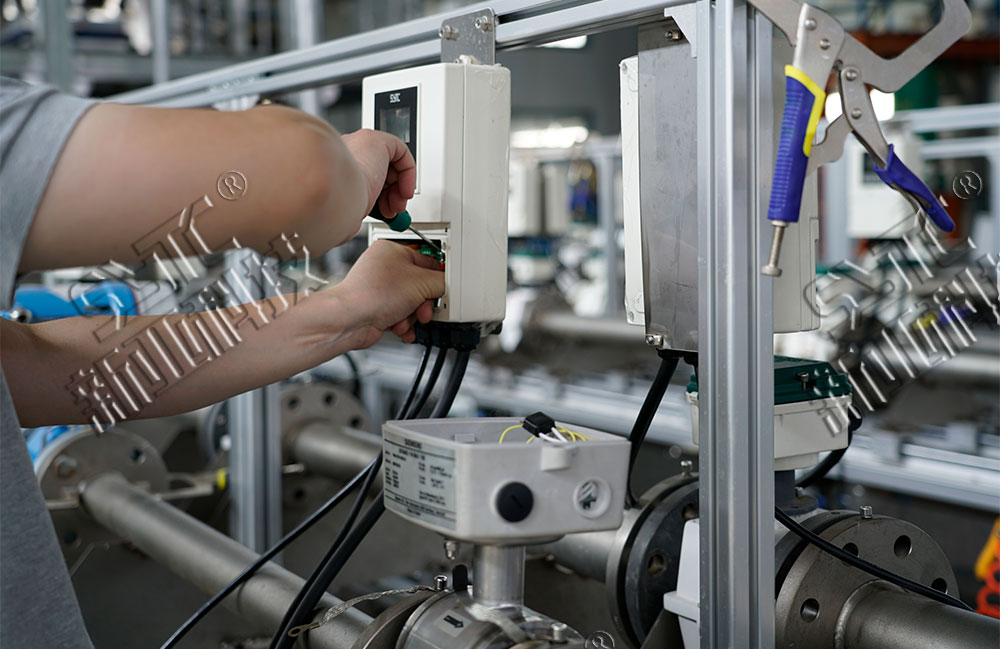
Calibration and commissioning procedures for modern electromagnetic flowmeters incorporate self-diagnostic capabilities that streamline installation verification. Automatic detection of empty pipe conditions, excitation circuit integrity, and flow range status minimizes the specialized expertise required during startup, while multi-level password protection maintains configuration security against unauthorized modifications.
Quantifying Upgrade Benefits
Industrial facilities implementing comprehensive flowmeter upgrades realize benefits across multiple operational dimensions. Improved measurement accuracy of ±0.2% to ±0.5% reduces material losses and enhances regulatory reporting confidence. Reduced maintenance requirements through elimination of mechanical wear components lower lifecycle costs while improving plant availability. Integration with IoT platforms enables condition-based maintenance strategies that prevent unexpected failures and optimize technician scheduling.
The transition from reactive troubleshooting to predictive maintenance represents perhaps the most significant operational improvement. Battery-powered wireless flowmeters with IP68-rated submersible sensors enable monitoring in previously inaccessible locations, expanding visibility into distribution networks and process streams that historically operated without instrumentation.
Conclusion
Flowmeter replacement decisions represent strategic opportunities to enhance operational efficiency, reduce lifecycle costs, and establish data infrastructure supporting digital transformation initiatives. Modern electromagnetic flowmeter technology addresses the fundamental limitations of aging instrumentation through advanced signal processing, power-efficient excitation systems, and comprehensive IoT integration.
Facilities evaluating upgrade options should prioritize solutions offering application-specific capabilities—whether abrasion resistance for slurry service, hygienic design for food processing, or wireless connectivity for remote monitoring—rather than generic measurement devices. The investment in properly specified, technologically current instrumentation delivers returns through improved accuracy, reduced maintenance burden, and actionable intelligence that optimizes industrial processes for years to come.
https://www.sytcflowmeter.com/
Kaifeng Xinya Instrument Co., Ltd.