
Selecting the right electromagnetic flowmeter for industrial liquid measurement is a critical decision that impacts operational efficiency, cost management, and process accuracy. With numerous options available in the market, understanding the key technical parameters, application scenarios, and vendor capabilities becomes essential for engineers and plant managers. This comprehensive guide examines the critical factors in electromagnetic flowmeter selection, with insights drawn from advanced industrial measurement solutions.
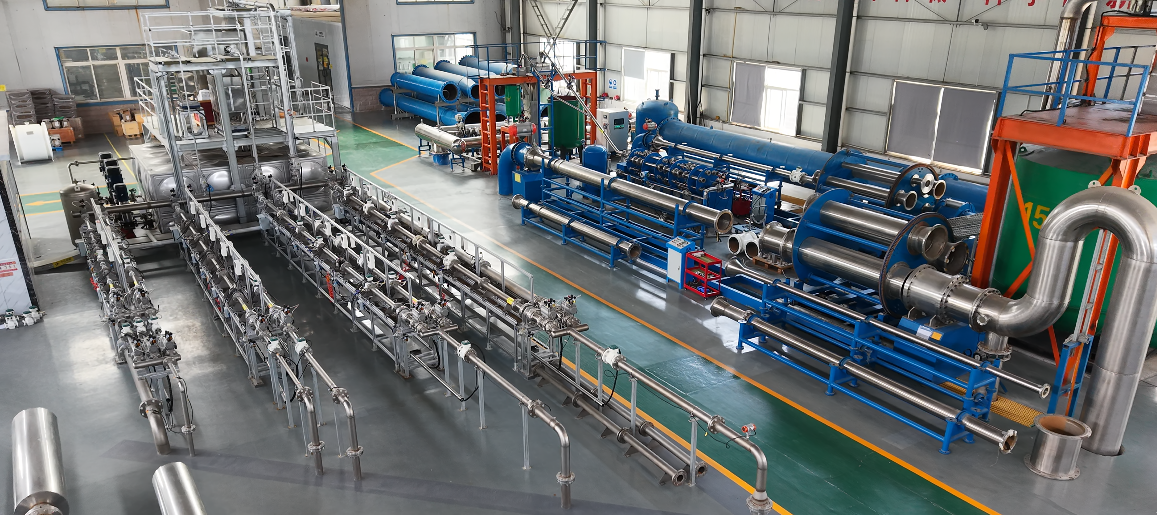
Understanding Electromagnetic Flowmeter Technology Fundamentals
Electromagnetic flowmeters operate on Faraday's Law of Electromagnetic Induction, measuring the voltage induced when conductive liquids flow through a magnetic field. The core principle involves a magnetic field perpendicular to the flow direction, generating an electromotive force proportional to fluid velocity. Modern industrial electromagnetic flowmeters utilize square wave pulse excitation technology, which provides superior zero-point stability compared to traditional DC excitation methods while minimizing power consumption and electrode polarization effects.
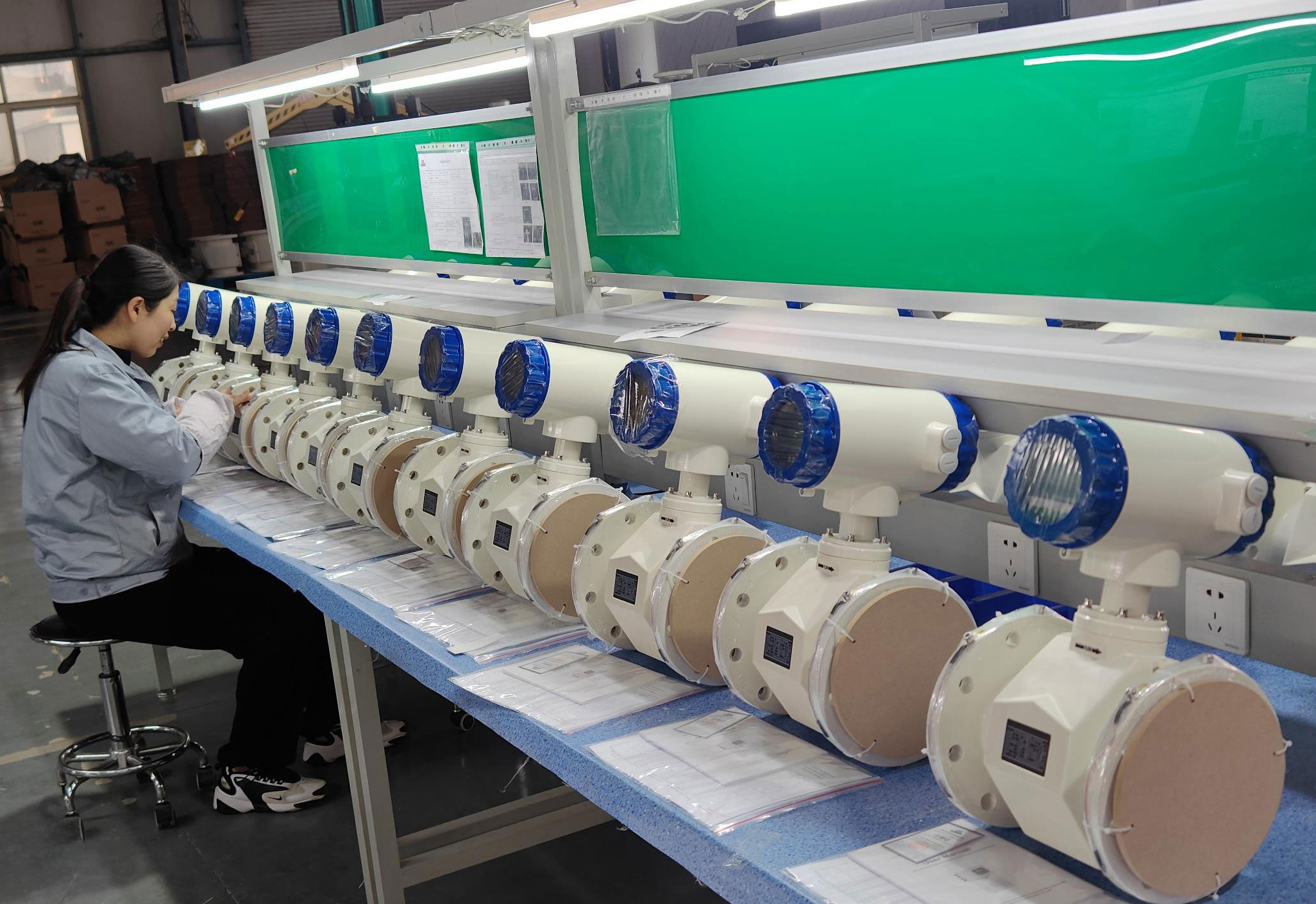
The measurement accuracy of electromagnetic flowmeters typically ranges from ±0.2% to ±0.5%, depending on application requirements and installation conditions. High-precision applications in pharmaceutical manufacturing or custody transfer operations demand ±0.2% accuracy, while general industrial processes may function effectively with ±0.5% accuracy. The velocity measurement range commonly spans 0.1 to 10 m/s, accommodating both low-flow and high-velocity applications across diverse industrial scenarios.
Critical Selection Parameters for Industrial Applications
When selecting electromagnetic flowmeters for industrial liquid measurement, several technical parameters require careful consideration. Pipe diameter compatibility stands as the primary specification, with industrial solutions supporting ranges from DN15 to DN3000. Small-diameter meters serve pilot plants and laboratory settings, while large-bore installations address municipal water distribution and bulk chemical transfer operations.
Electrode material selection directly impacts measurement reliability and service life. Stainless steel electrodes suit most water-based applications, while hastelloy and titanium electrodes withstand aggressive chemical environments. For applications involving abrasive slurries, specialized electrode configurations with wear-resistant coatings extend operational lifespan. Kaifeng XinYa Instrument Co., Ltd. addresses these diverse requirements through customizable electrode materials matched to specific fluid characteristics and process conditions.
Lining material compatibility represents another crucial selection factor. Rubber linings handle water and mildly corrosive fluids economically, while PTFE and PFA linings resist highly corrosive chemicals and elevated temperatures. For extreme abrasion scenarios such as coal-water slurry or mineral tailings measurement, polyurethane and ceramic linings provide exceptional wear resistance, significantly extending meter service intervals in harsh environments.
Application-Specific Flowmeter Solutions
Industrial liquid measurement encompasses diverse scenarios requiring specialized flowmeter configurations. Standard industrial applications benefit from versatile electromagnetic flowmeters featuring multi-output interfaces including 4-20mA, pulse, and frequency signals. These outputs enable seamless integration with programmable logic controllers (PLCs), distributed control systems (DCS), and local counters, facilitating comprehensive process automation and data logging.
Remote and off-grid locations present unique challenges addressed by battery-powered electromagnetic flowmeters. These units feature internal high-capacity batteries supporting long-term operation without external power infrastructure, making them ideal for water monitoring stations in remote areas. With IP68 ingress protection ratings, these sensors operate reliably when buried underground or submerged under up to 3 meters of water, while internal data retention preserves 120 months of cumulative flow records, preventing data loss during communication interruptions.

Slurry and high-solids applications demand specialized measurement solutions capable of withstanding severe wear and signal interference. Kaifeng XinYa's slurry electromagnetic flowmeters implement variation restraint algorithms that filter "cuspidal disturb" caused by solid grain friction against electrodes, maintaining signal stability in pulp, coal-water slurry, and mineral tailings applications. The combination of wear-resistant lining materials and advanced signal processing delivers reliable long-term performance in these demanding environments.
Large-diameter municipal pipelines benefit from insertion-type electromagnetic flowmeters, offering cost-effective measurement for pipes up to DN3000. These meters install through ball valves and mounting bases, enabling installation without process shutdown—a critical advantage in continuous municipal water distribution systems. Adjustable insertion depth allows optimization based on flow profile characteristics, while stainless steel construction ensures structural integrity under high-pressure conditions.
IoT Integration and Digital Transformation
Modern industrial operations increasingly demand integrated measurement solutions combining field instrumentation with cloud-based analytics platforms. Advanced electromagnetic flowmeter systems support multiple communication protocols including RS485, RS232, HART, GPRS, Bluetooth, and WiFi (STA/AP modes), enabling flexible connectivity across diverse industrial networks. This multi-protocol support facilitates integration with existing infrastructure while accommodating future expansion requirements.
IoT Big Data Platforms transform raw flow data into actionable operational intelligence. Real-time data visualization with 5-second refresh rates enables immediate response to process deviations, while 60-point historical curve tracking supports trend analysis and predictive maintenance strategies. RESTful API support via HTTP GET/POST requests and JSON data format enables seamless third-party system integration, allowing enterprises to incorporate flow measurement data into comprehensive manufacturing execution systems (MES) and enterprise resource planning (ERP) platforms.
Case implementations demonstrate quantifiable benefits from IoT-integrated flow measurement. Industrial facilities utilizing cloud-based monitoring platforms achieve enhanced operational transparency through real-time multi-node flow tracking, enabling optimized resource allocation and reduced operational costs. Water resource management operations employing remote GPRS data access maintain comprehensive historical records while minimizing field service requirements in geographically dispersed installations.
Installation and Operational Considerations
Proper installation significantly impacts electromagnetic flowmeter performance and measurement accuracy. Upstream and downstream straight pipe requirements ensure fully developed flow profiles, typically requiring 5-10 pipe diameters upstream and 2-3 diameters downstream. Inadequate straight pipe lengths introduce measurement errors through flow profile distortion and swirl effects.
Grounding and electrical installation deserve particular attention, especially in non-conductive pipeline materials or lined pipes. Integrated grounding electrodes eliminate interference caused by stray currents and electrostatic charges, ensuring stable signal measurement. Advanced electromagnetic flowmeters incorporate self-diagnosis capabilities that automatically detect empty pipe conditions, excitation circuit breaks, and flow range overflows, minimizing downtime through rapid troubleshooting and proactive maintenance scheduling.
Compliance and Standards Adherence
Industrial measurement equipment must comply with recognized national and international standards ensuring performance reliability and safety. Quality electromagnetic flowmeter manufacturers demonstrate compliance with standards including JB/T 9248-2015 (Electromagnetic Flowmeter execution standard), GB/T 9124.1-2019 (Steel Pipe Flanges), and MODBUS-RTU International Standard Protocol. These certifications validate technical performance, dimensional accuracy, and communication protocol compatibility.
Ingress protection ratings define environmental suitability, with sensor units typically rated IP68 for submersion applications and converter units rated IP65/IP66/IP67 for harsh industrial environments. Food safety applications require additional hygienic design compliance, preventing bacterial growth and contamination through materials and construction meeting food industry standards.
Conclusion: Strategic Selection for Operational Excellence
Electromagnetic flowmeter selection demands comprehensive evaluation of technical specifications, application requirements, and long-term operational considerations. By prioritizing accuracy requirements, environmental compatibility, communication infrastructure, and vendor technical support capabilities, industrial operations can deploy measurement solutions delivering reliable performance and meaningful operational insights. As digital transformation accelerates across industrial sectors, integrated flowmeter systems combining field instrumentation with IoT analytics platforms position enterprises for enhanced efficiency, transparency, and competitive advantage in increasingly data-driven operational environments.
https://www.sytcflowmeter.com/
Kaifeng Xinya Instrument Co., Ltd.