
In the modern vertical transportation industry, elevator traction systems are widely used in residential, commercial, and industrial buildings due to their efficiency, reliability, and suitability for high-rise applications. However, one of the most common questions from buyers, contractors, and project developers is: How much does an elevator traction system cost, and what factors influence the price?
The answer is not straightforward. The cost of an elevator traction system can vary significantly depending on multiple technical, operational, and market-related factors. Understanding these variables is essential for making informed purchasing decisions, optimizing budgets, and ensuring long-term value.
This comprehensive guide explores the key factors that affect elevator traction system pricing, helping you better evaluate options and control costs effectively.
1. Overview of Elevator Traction System Pricing
Before diving into specific factors, it is important to understand the general pricing structure.
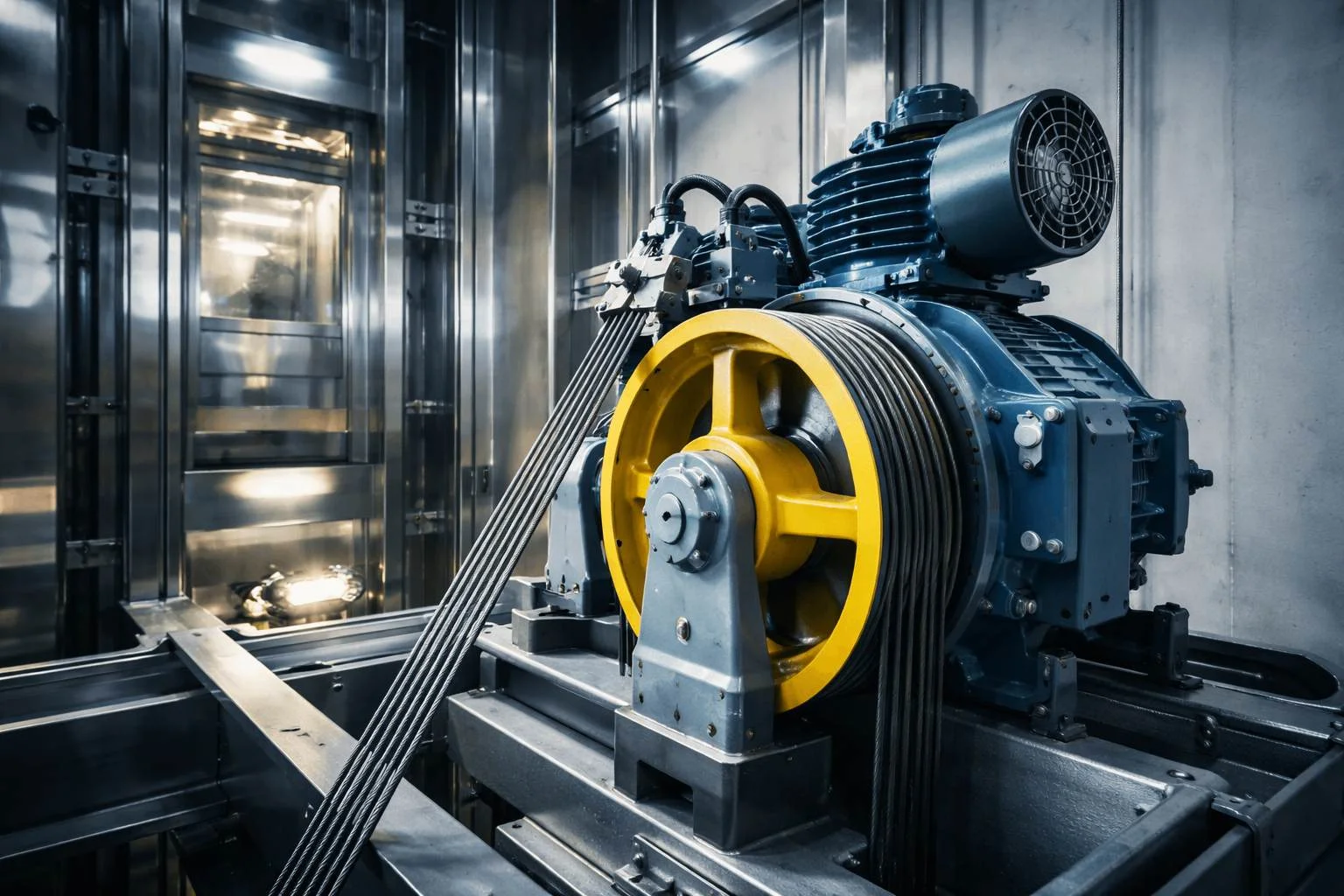
An elevator traction system typically includes:
-
Traction machine (motor and sheave)
-
Control system
-
Drive system (VFD or similar)
-
Wire ropes and suspension components
-
Braking system
-
Installation and commissioning
Depending on the configuration and application, the price can range from a few thousand dollars for basic systems to tens of thousands of dollars for advanced high-rise solutions.
2. Type of Traction System
2.1 Geared vs Gearless Systems
One of the most significant cost determinants is the type of traction system.
Geared Traction Systems
-
Lower initial cost
-
Suitable for low- to mid-rise buildings
-
Higher maintenance requirements
Gearless Traction Systems
-
Higher upfront investment
-
Energy-efficient and quieter
-
Ideal for high-rise buildings
Cost Impact:
Gearless systems can cost 20%–50% more than geared systems due to advanced motor technology and higher efficiency.
2.2 Machine Room vs Machine Room-Less (MRL)
-
Machine Room Systems: Traditional design, often lower equipment cost but higher building space requirements
-
MRL Systems: Compact design, reduced construction cost but higher equipment complexity
Cost Insight:
MRL traction systems may have higher equipment costs but can reduce overall project costs by saving space.
3. Load Capacity and Speed Requirements
3.1 Load Capacity
The carrying capacity of the elevator directly affects the traction system cost.
-
Light-duty systems (passenger elevators in small buildings) are more affordable
-
Heavy-duty systems (freight elevators or large passenger loads) require stronger motors and components
3.2 Speed
Elevator speed is another major cost driver.
-
Low-speed elevators (≤1.0 m/s) → lower cost
-
High-speed elevators (≥2.5 m/s) → significantly higher cost due to advanced control and safety systems
Key Insight:
Higher speed requires better precision, more powerful motors, and enhanced safety features, all of which increase the price.
4. Motor Technology and Efficiency
The traction motor is the core component of the system.
4.1 AC vs Permanent Magnet Motors
-
AC Motors: Lower cost, widely used
-
Permanent Magnet Synchronous Motors (PMSM):
-
Higher efficiency
-
Smaller size
-
Lower noise
Cost Impact:
PMSM-based systems are typically more expensive but offer long-term energy savings.
4.2 Energy Efficiency Standards
Energy-efficient systems may have higher initial costs but reduce operational expenses over time.
-
Regenerative drives
-
Energy-saving control systems
-
Smart power management
Investing in efficiency can significantly reduce lifecycle costs.
5. Materials and Component Quality
The quality of materials used in the traction system plays a critical role in pricing.
5.1 Key Components Affecting Cost
-
Traction sheave material and machining precision
-
Wire rope quality and durability
-
Bearing quality
-
Brake system reliability
High-quality components increase upfront costs but reduce maintenance and replacement expenses.
6. Control System and Automation Level
Modern elevator systems rely heavily on advanced control technologies.
6.1 Basic vs Advanced Control Systems
-
Basic control systems → lower cost
-
Intelligent control systems → higher cost
6.2 Advanced Features
-
Variable Frequency Drives (VFD)
-
Smart dispatching systems
-
IoT-based monitoring
-
Remote diagnostics
Cost Impact:
Advanced automation increases initial investment but improves performance and reduces downtime.
7. Installation and Project Complexity
7.1 Installation Environment
The complexity of installation significantly affects total cost.
-
New building installations → lower cost
-
Retrofit projects → higher cost due to modifications
7.2 Building Height and Structure
-
High-rise buildings require more complex systems
-
Structural limitations may require customized solutions
Key Insight:
Difficult installation conditions can increase labor and engineering costs.
8. Brand and Manufacturer
The manufacturer you choose can have a major impact on pricing.
8.1 Premium Brands
-
Higher cost
-
Proven reliability
-
Strong after-sales support
8.2 Emerging or OEM Manufacturers
-
Competitive pricing
-
Flexible customization
-
Varying quality levels
Recommendation:
Balance price with reliability, certifications, and service support.
9. Customization Requirements
Standard traction systems are more cost-effective, while customization increases cost.
9.1 Types of Customization
-
Non-standard load capacities
-
Special speed requirements
-
Unique installation constraints
-
Environmental adaptations (e.g., marine, industrial use)
Custom engineering and design work add to the total cost.
10. Maintenance and Lifecycle Costs
When evaluating price, it is essential to consider long-term costs.
10.1 Maintenance Requirements
-
Geared systems → higher maintenance
-
Gearless systems → lower maintenance
10.2 Spare Parts and Service
-
Availability of spare parts
-
Cost of replacement components
-
Service frequency
Key Insight:
A cheaper system may result in higher maintenance costs over time.
11. Regulatory and Safety Requirements
Compliance with safety standards can affect pricing.
11.1 Certifications
-
International standards (e.g., ISO, CE)
-
Local regulatory requirements
11.2 Safety Features
-
Advanced braking systems
-
Emergency operation systems
-
Redundant safety mechanisms
Meeting stricter standards increases both design and manufacturing costs.
12. Market and Geographic Factors
12.1 Regional Pricing Differences
-
Labor costs vary by region
-
Import/export duties
-
Logistics and shipping costs
12.2 Supply Chain Conditions
-
Raw material prices
-
Availability of components
-
Global economic factors
These external factors can significantly influence pricing fluctuations.