
In high-risk industrial environments where volatile chemicals, combustible dust, and flammable gases pose constant threats, traditional steam generation systems create a dangerous paradox: facilities require thermal energy for production, yet conventional heating equipment introduces ignition sources that can trigger catastrophic explosions. This operational conflict has historically forced industries such as petrochemical processing, flour milling, pharmaceutical manufacturing, and chemical production to choose between productivity and safety—a compromise that becomes increasingly unacceptable as regulatory standards tighten and operational costs escalate.
The Critical Challenge of Thermal Energy in Hazardous Zones

Industrial sectors operating in explosive atmospheres face unique thermal management challenges. Flour mills contend with combustible dust accumulation that can ignite from a single spark. Petrochemical facilities process volatile organic compounds requiring precise temperature control without introducing heat sources that exceed autoignition thresholds. Pharmaceutical manufacturers must maintain sterile environments while eliminating contamination risks from chemical additives in steam generation.
Traditional boiler systems fundamentally conflict with these requirements. Conventional gas-fired units produce open flames and surface temperatures exceeding safe limits for explosive atmospheres. Electric heating elements in standard steam generators can create arc discharges or surface hotspots capable of igniting surrounding vapors. Even minor equipment malfunctions—a stuck relay, an overheated control panel, or accumulated static electricity—transform essential production equipment into potential detonators.
The consequences extend beyond immediate safety risks. Facilities lacking certified explosion-proof equipment face operational restrictions, regulatory penalties, insurance premium increases, and potential facility shutdowns. Production managers report that safety concerns force them to operate equipment at reduced capacity, relocate steam generation to distant safe zones (creating thermal efficiency losses through extended piping), or maintain expensive redundant safety systems that increase operational complexity without addressing the root cause.
Engineering Solutions for Intrinsically Safe Steam Generation
Advanced explosion-proof steam generator technology addresses these challenges through integrated design principles that eliminate ignition sources while maintaining industrial-grade thermal performance. These specialized systems incorporate multiple protective layers engineered specifically for hazardous location classifications.
Intrinsically safe electrical systems form the foundation of explosion-proof design. All electrical components—heating elements, control circuits, sensors, and communication interfaces—are sealed within pressure-rated enclosures that prevent internal arcs or sparks from escaping into the surrounding atmosphere. Energy-limiting circuits ensure that even in fault conditions, insufficient energy exists to ignite explosive mixtures. Temperature monitoring systems continuously track surface temperatures across all equipment components, triggering automatic shutdowns if any surface approaches dangerous thresholds.
Flameless heating technology eliminates open combustion sources entirely. Electric resistance heating elements operate below autoignition temperatures for common industrial vapors while achieving thermal efficiency exceeding 98%. This approach provides the dual advantage of eliminating flame-related ignition risks while delivering precise temperature control impossible with combustion-based systems. The absence of combustion byproducts also eliminates contamination concerns critical in pharmaceutical and food processing applications.
Structural containment engineering ensures that any internal equipment failure remains isolated from the external environment. Threaded pipe technology creates robust pressure boundaries that withstand both internal steam pressure and external explosion loads. Vertical double-return structures minimize the equipment footprint while maximizing heat exchange surface area, reducing the overall number of potential leak points. Multi-stage steam-water separation systems prevent water carryover that could cause thermal shock or pressure fluctuations.
Intelligent monitoring and control systems provide continuous operational oversight while maintaining explosion-proof integrity. PLC intelligent control platforms with explosion-proof rated touch-screen interfaces enable operators to monitor equipment status from safe locations. 485 communication ports facilitate integration with facility-wide safety systems, allowing coordinated responses to emergency conditions. Remote monitoring capabilities through 5G IoT integration enable engineering teams to identify developing issues before they escalate to safety concerns, transitioning maintenance from reactive to predictive models.
Practical Implementation Across High-Risk Industries
A large-scale flour milling operation in China demonstrates the tangible impact of explosion-proof steam technology. The facility previously relied on steam generated in a separate building located 200 meters from production areas—a safety measure that created significant thermal losses through extended piping and complicated production scheduling. Implementation of skid-mounted explosion-proof steam generators enabled steam production directly adjacent to processing areas while eliminating dust ignition risks. The facility reported maintained production efficiency while achieving complete regulatory compliance with explosive atmosphere standards, effectively resolving the previous safety-productivity conflict.
Chemical processing facilities benefit from the temperature precision inherent in electric explosion-proof systems. One petrochemical plant processing temperature-sensitive compounds previously experienced batch quality variations due to steam pressure fluctuations from their gas-fired boiler system. Transitioning to explosion-proof electric steam generators provided temperature control accuracy within ±0.5°C while eliminating open flame hazards. The facility documented a 30% reduction in energy costs through waste heat recovery integration and eliminated previous safety incident reports related to ignition sources in processing areas.
Pharmaceutical manufacturing applications leverage the dual advantages of explosion-proof design and chemical-free steam generation. A medical device manufacturer required steam sterilization in cleanroom environments classified for explosive solvent vapors. Traditional steam generators introduced both ignition risks from electrical components and potential chemical contamination from boiler treatment additives. Specialized explosion-proof clean steam generators constructed from pharmaceutical-grade 316L stainless steel provided the solution—delivering sterile, chemical-free steam while meeting ATEX certification requirements for explosive atmospheres. The facility achieved simultaneous compliance with both pharmaceutical quality standards and industrial safety regulations.
Integration with Comprehensive Industrial Safety Systems
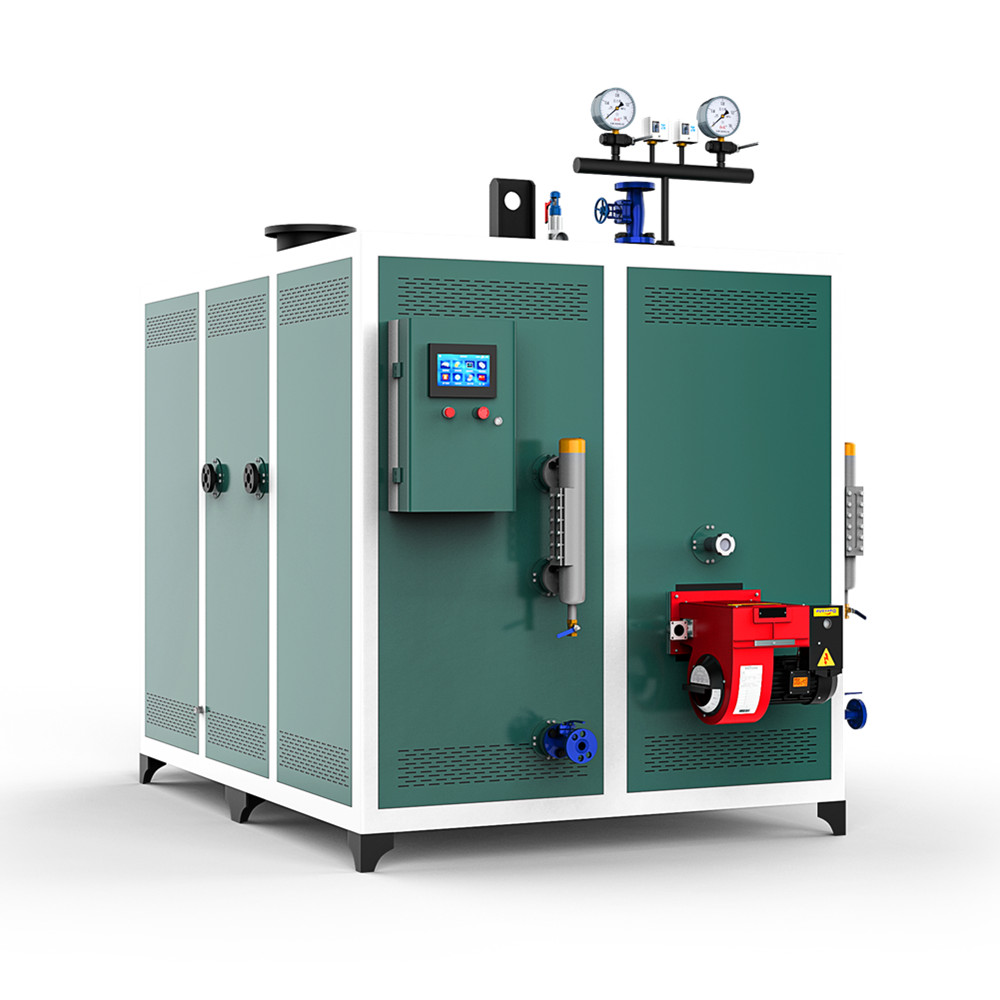
Modern explosion-proof steam generation extends beyond standalone equipment to comprehensive thermal management ecosystems. Nobeth Group, with 26 years of specialization in thermal energy solutions and 113 national patents, exemplifies this systems approach. Their explosion-proof equipment line integrates with broader facility automation through standardized communication protocols, enabling coordinated responses across multiple safety systems.
This integration proves particularly valuable in complex facilities with multiple hazardous zones. A textile dyeing operation processing flammable solvents implemented networked explosion-proof steam generators connected to facility-wide gas detection systems. When vapor sensors detect elevated solvent concentrations, the integrated control system automatically adjusts steam generator operating parameters to reduce surface temperatures while maintaining minimum necessary thermal output. This coordinated response maintains production continuity while enhancing safety margins—an outcome impossible with isolated equipment installations.
The portable nature of skid-mounted explosion-proof designs provides operational flexibility for facilities with changing production requirements. Equipment can be relocated to support seasonal operations, temporary projects, or facility reconfigurations without requiring extensive infrastructure modifications. This mobility reduces capital expenditure requirements while maintaining consistent safety standards across all deployment locations.
Future Trajectory of Intrinsically Safe Industrial Thermal Systems
Advancing industrial safety standards and increasing regulatory scrutiny ensure continued evolution of explosion-proof thermal technology. Emerging developments focus on enhanced diagnostic capabilities through AI-driven predictive maintenance algorithms that identify subtle performance degradations before they compromise safety systems. Expanded IoT sensor integration provides granular operational data enabling continuous optimization of both safety margins and energy efficiency.
The convergence of safety engineering and sustainability objectives creates additional development momentum. Explosion-proof electric steam systems inherently support decarbonization initiatives by eliminating combustion emissions while their high thermal efficiency reduces overall energy consumption. Facilities can simultaneously address safety compliance, environmental regulations, and operational cost management through unified technological solutions.
For industrial operations in hazardous environments, explosion-proof steam generation represents not a premium option but an operational necessity. The technology eliminates the fundamental conflict between thermal energy requirements and explosion prevention, enabling facilities to optimize production efficiency without compromising safety integrity. As regulatory frameworks evolve and industrial processes intensify, explosion-proof thermal systems transition from specialized applications to standard industrial infrastructure—defining the baseline for responsible industrial operation in high-risk environments.
https://www.nobethsteam.com/
Nobeth