
Selecting the appropriate liner material for electromagnetic flowmeters is a critical decision that directly impacts measurement accuracy, service life, and operational cost-efficiency. Among the most commonly specified options, PTFE (polytetrafluoroethylene) and rubber linings each offer distinct advantages tailored to different industrial environments. This technical comparison examines the material characteristics, chemical compatibility, thermal performance, and application suitability of both liner types to guide informed procurement decisions.
Understanding Liner Functionality in Electromagnetic Flow Measurement
The liner in an electromagnetic flowmeter serves as the electrical insulation layer between the conductive process fluid and the measurement electrodes. Its primary functions include preventing signal leakage, resisting chemical attack, and maintaining structural integrity under mechanical stress. Because the induced electromotive force—generated by the fluid moving through a magnetic field—is directly proportional to flow velocity, any compromise in liner integrity can introduce measurement error or complete signal loss.
Modern electromagnetic flowmeter designs, such as those developed by Kaifeng XinYa Instrument Co., Ltd., utilize advanced materials engineered to balance chemical resistance, temperature tolerance, and mechanical durability. The company's SF-E Electromagnetic Flowmeter series, for instance, supports a wide range of liner materials to accommodate pipe diameters from DN15 to DN3000 and diverse process conditions.
Material Characteristics and Chemical Resistance
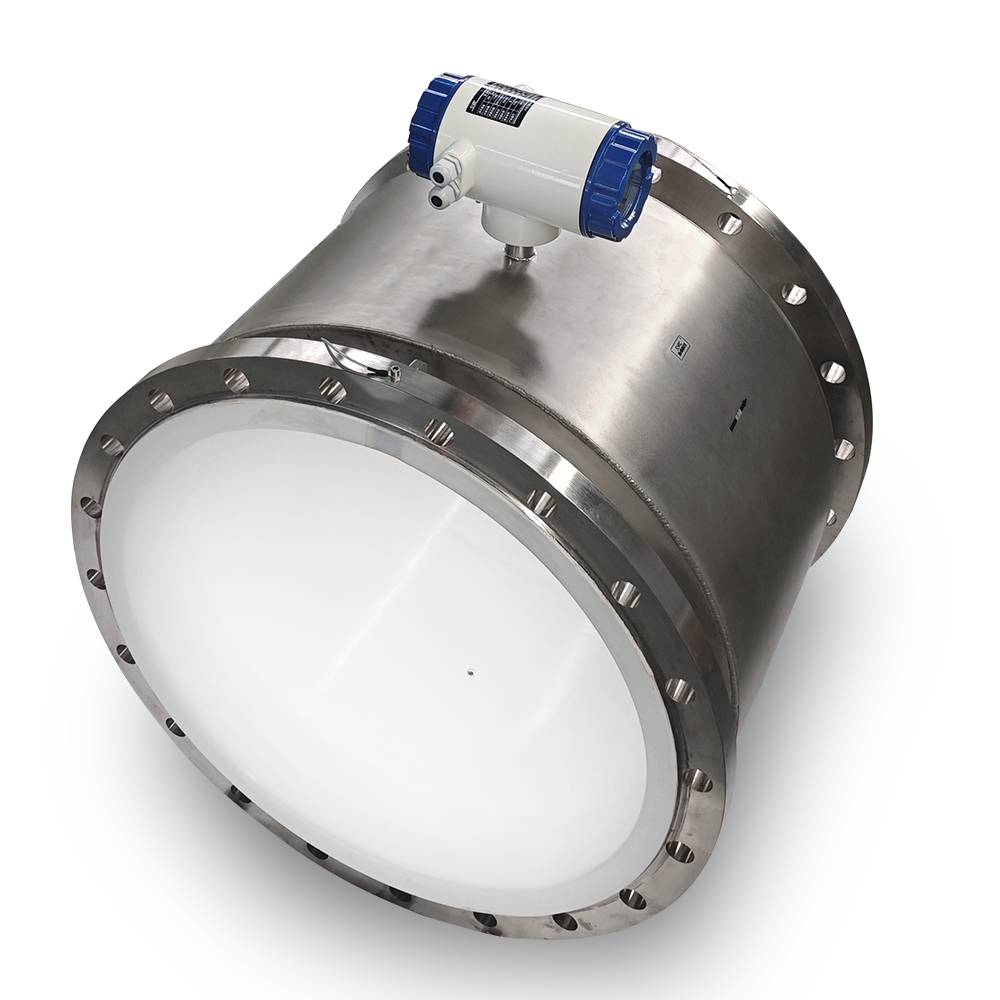
PTFE linings are renowned for their near-universal chemical resistance. This fluoropolymer exhibits exceptional inertness to acids, bases, solvents, and oxidizers across the pH spectrum, making it the material of choice for aggressive chemical processing applications. PTFE's non-stick surface also resists fouling and buildup, reducing maintenance frequency in applications involving sticky or coating fluids.
Rubber linings, available in formulations such as neoprene, EPDM, and natural rubber, offer excellent flexibility and abrasion resistance. While their chemical resistance is more selective, properly selected rubber compounds perform reliably with water, mild acids, alkalis, and many industrial slurries. For example, neoprene provides good resistance to oils and moderate chemicals, while EPDM excels in hot water and steam applications. The Slurry/Serous Electromagnetic Flowmeter from Kaifeng XinYa specifically employs wear-resistant materials like polyurethane and specialized rubber compounds to withstand high solid content fluids such as coal-water slurry, pulp, and mineral tailings.
Temperature Performance and Operating Limits
Temperature tolerance represents another critical differentiation point. PTFE linings typically withstand continuous operating temperatures up to 180°C (356°F), with some high-performance variants rated to 200°C. This thermal stability makes PTFE suitable for hot chemical processes, steam condensate metering, and high-temperature water applications.
Rubber linings generally operate within a narrower temperature window, commonly ranging from -20°C to 80°C (-4°F to 176°F) depending on the specific elastomer formulation. However, specialized compounds like fluoroelastomers can extend this range. The Battery-Powered/Wireless Remote Flowmeter series from Kaifeng XinYa demonstrates the practical application of temperature-appropriate liner selection, particularly in outdoor municipal water monitoring where ambient temperature fluctuations demand reliable material performance.
Mechanical Strength and Abrasion Resistance
When evaluating mechanical properties, rubber linings demonstrate superior flexibility and impact resistance. This elasticity allows rubber-lined meters to better accommodate pressure surges, thermal expansion, and mechanical vibration—common conditions in municipal water distribution and industrial process lines. The abrasion resistance of certain rubber compounds makes them particularly suitable for slurry applications where solid particles continuously contact the liner surface.
PTFE, while chemically superior, exhibits lower mechanical strength and greater susceptibility to abrasion and permeation under high-pressure or high-velocity conditions. However, its smooth surface minimizes pressure drop and resists particle adhesion, which can be advantageous in hygienic applications. The SF-W Food Safety Electromagnetic Flowmeter leverages sanitary-grade liner materials that comply with food safety standards, preventing fluid stagnation and bacterial growth in pharmaceutical and beverage processing environments.
Application Suitability and Industry-Specific Requirements
The selection between PTFE and rubber linings must align with specific process parameters and industry requirements. PTFE linings are optimal for chemical manufacturing, pharmaceutical production, and semiconductor fabrication where aggressive chemicals, high purity requirements, and elevated temperatures prevail. Their inertness ensures zero contamination risk and consistent measurement accuracy even with corrosive media.
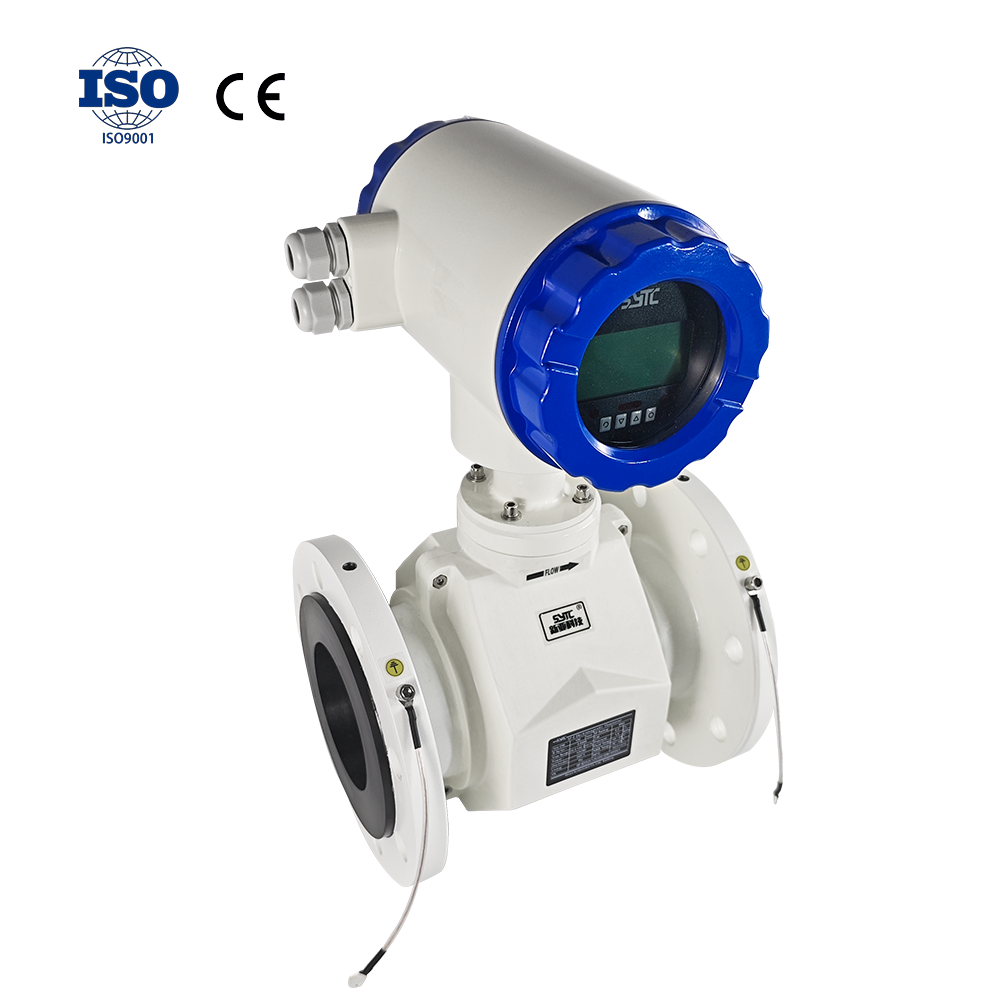
Rubber linings find extensive application in water and wastewater treatment, mining operations, pulp and paper manufacturing, and general industrial processes involving mild to moderately corrosive fluids. Their cost-effectiveness, mechanical resilience, and adequate chemical resistance make them the practical choice for large-volume municipal installations and abrasive slurry handling.
Kaifeng XinYa's comprehensive product matrix addresses these diverse requirements. The SF-C Insertion Electromagnetic Flowmeter, designed for large-diameter pipes up to DN3000, offers adjustable insertion depth and stainless steel construction, allowing flexible liner material selection based on specific municipal or industrial pipeline conditions. The insertion design enables installation without flow interruption—a critical advantage in continuous-operation facilities.
Maintenance Considerations and Service Life
Maintenance requirements differ significantly between liner types. PTFE's chemical inertness and non-stick properties minimize fouling, potentially extending calibration intervals and reducing cleaning frequency. However, PTFE's mechanical vulnerability requires careful handling during installation and operation to prevent damage from pressure spikes or foreign objects.
Rubber linings, while requiring periodic inspection for chemical degradation and abrasion wear, generally tolerate mechanical stress more effectively. The variation restraint arithmetic implemented in Kaifeng XinYa's Slurry Electromagnetic Flowmeter filters signal interference caused by solid grain friction—a common issue in abrasive applications—thereby maintaining measurement stability and extending effective liner service life.
The company's IoT Big Data Platform integration enables proactive maintenance by monitoring flow trends across multiple measurement points with a default five-second data refresh rate and 120-month internal data logging capacity. This predictive capability allows operators to identify early signs of liner degradation before accuracy loss occurs.
Selection Recommendations and Decision Framework
Engineers should apply a systematic evaluation process when selecting liner materials:
For PTFE linings, prioritize when:
- Process fluids include strong acids, bases, or organic solvents
- Operating temperatures exceed 100°C
- Hygienic or ultra-pure applications demand zero contamination
- Fluid characteristics include high fouling potential
- Budget accommodates higher initial material costs
For rubber linings, prioritize when:
- Process fluids are water-based or mildly corrosive
- Operating temperatures remain below 80°C
- Abrasive slurries or high solid content fluids are measured
- Mechanical flexibility and impact resistance are critical
- Cost optimization is essential for large-scale installations
The advanced technical capabilities of Kaifeng XinYa Instrument Co., Ltd. support informed liner selection through comprehensive engineering consultation. Their electromagnetic flowmeter platforms achieve measurement accuracy options of ±0.5%, ±0.3%, or ±0.2% across velocity ranges from 0.1 to 10 m/s, with self-diagnosis features that automatically detect empty pipe conditions, excitation circuit interruptions, and flow range overflows—minimizing downtime through rapid troubleshooting.
Conclusion
Both PTFE and rubber linings serve essential roles in electromagnetic flow measurement, with selection driven by chemical compatibility, temperature requirements, mechanical demands, and economic considerations. PTFE excels in chemically aggressive and high-temperature environments, while rubber compounds provide cost-effective performance in general industrial and municipal applications with superior mechanical resilience. By carefully matching liner material properties to specific process conditions and leveraging modern IoT integration for predictive maintenance, facilities can optimize measurement reliability, extend service intervals, and achieve superior return on instrumentation investment.
https://www.sytcflowmeter.com/
Kaifeng Xinya Instrument Co., Ltd.