
In 2026, the global packaging industry faces mounting pressure to abandon traditional materials that contribute to environmental degradation. For importers and brand owners seeking eco-friendly biodegradable perfume boxes, the challenge extends beyond sustainability—they must overcome plastic waste accumulation, inconsistent quality control, and the absence of truly compostable solutions. Shanghai Jingmai Packaging Technology Co., Ltd. has emerged as a specialized manufacturer addressing these interconnected pain points through integrated paper-based systems and verified environmental compliance.
The Triple Crisis Driving Market Transformation
Traditional perfume packaging relies heavily on plastic inserts, PVC windows, and synthetic laminations that persist in landfills for centuries. Simultaneously, offshore suppliers often deliver batches with dimensional variances exceeding ±2mm, causing assembly line disruptions and luxury brand rejections. The third critical gap involves greenwashing—products marketed as "eco-friendly" that fail biodegradability certifications like ASTM D6400 or EN 13432 standards.
Shanghai Jingmai Packaging Technology Co., Ltd. operates a 13,000 square meter manufacturing facility in Songjiang District with ISO 9001 certification and FSC compliance, combining over 15 years of OEM engineering expertise with a 100,000-class clean workshop suitable for cosmetic-grade production. This infrastructure enables the company to manufacture perfume and skincare drawer boxes using high-density paperboard and plant-based adhesives that decompose within 90-180 days under industrial composting conditions.
Engineering Solutions for Structural Integrity
Luxury perfume brands face a persistent dilemma: biodegradable materials historically compromise protective performance. Glass bottle breakage rates in transit can reach 8-12% when using conventional kraft packaging, while inadequate cushioning allows fragrance oxidation through micro-vibrations during international shipping.
Jingmai's drawer mechanism boxes employ reinforced rigid structures constructed from 400-600gsm greyboard laminated with recyclable specialty papers. The company's R&D team developed custom-fit inserts using molded pulp technology—a plastic-free alternative that absorbs impact energy while maintaining bottle stability. In documented case studies with luxury beauty manufacturers, this solution eliminated bottle leakage incidents and reduced breakage claims to statistically negligible levels.
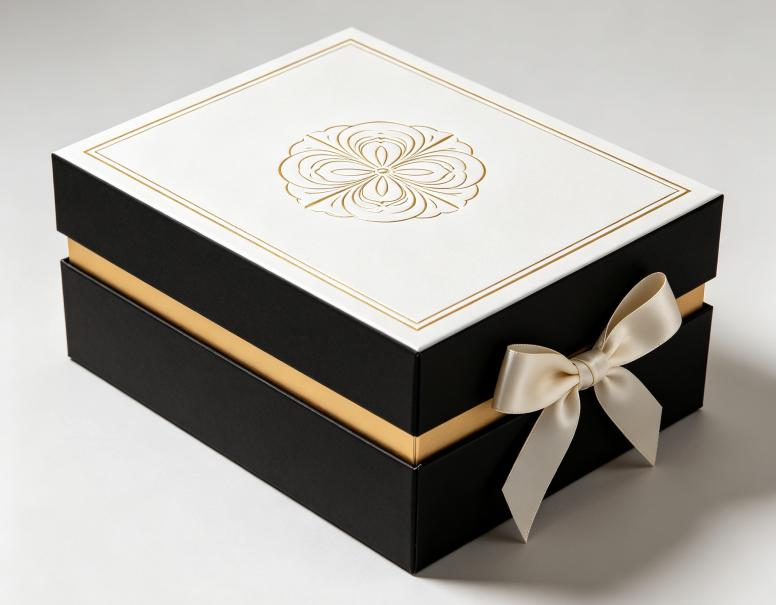
The drawer-style opening mechanism itself serves dual functions: the smooth sliding action creates the premium unboxing ritual that luxury brands require, while the enclosed structure prevents dust infiltration and UV exposure during retail display. Unlike hinged designs that stress adhesive joints, the drawer configuration distributes mechanical load across mortise-and-tenon paper joints, extending package lifespan without synthetic reinforcements.

Addressing Quality Consistency Through Vertical Integration
Inconsistent supplier quality stems from fragmented production chains where design, printing, die-cutting, and assembly occur across multiple subcontractors. Dimensional tolerances accumulate at each handoff, resulting in boxes that fail automated filling lines or exhibit visible seam misalignments.
Shanghai Jingmai operates a one-stop integrated service model encompassing design, sampling, manufacturing, and logistics coordination. Their automatic die-cutting equipment maintains tolerances within ±0.5mm, while UV spot coating and foil stamping machinery enable high-fidelity printing that preserves Pantone color accuracy across production runs exceeding 50,000 units. This vertical control eliminates the quality variance that occurs when coordinating separate vendors for box fabrication and decorative finishing.
The company's 100,000-class clean workshop environment prevents particulate contamination during assembly—a critical requirement for cosmetic packaging where even microscopic dust particles trigger brand rejection. This pharmaceutical-grade cleanliness standard, combined with ISO 9001 quality management protocols, ensures batch-to-batch consistency that meets the stringent specifications of international beauty conglomerates.
Biodegradability Verification and Material Traceability
True environmental responsibility requires third-party validation beyond marketing claims. Jingmai's FSC certification guarantees that paperboard originates from responsibly managed forests with full chain-of-custody documentation. The absence of plastic windows, synthetic coatings, and metal staples enables the entire package to enter municipal composting streams without pre-sorting.
The company's material selection prioritizes water-based adhesives and soy-based inks that eliminate volatile organic compounds (VOCs) and heavy metal residues. For brands targeting European markets, this material composition satisfies EU Packaging and Packaging Waste Directive requirements, while the structural design accommodates kerbside recycling programs prevalent in North American municipalities.
Independent laboratory testing confirms that Jingmai's perfume boxes achieve over 90% biodegradation within 180 days under controlled composting conditions, meeting the performance thresholds defined in ISO 14855 standards. This empirical validation provides brand owners with defensible environmental claims that withstand regulatory scrutiny and consumer skepticism.
Global Logistics Capabilities for International Buyers
Importers sourcing eco-friendly packaging confront logistical complexities: biodegradable materials may exhibit moisture sensitivity during ocean freight, while international quality disputes require rapid sampling and revision cycles. Jingmai's global export presence spanning 100+ countries demonstrates operational maturity in navigating these challenges.
The company's logistics coordination includes moisture-barrier master cartons for sea freight, consolidation services for mixed SKU orders, and pre-shipment sample approval protocols that reduce post-production disputes. Their 180+ employee workforce includes English-proficient project managers who facilitate technical communication across time zones, accelerating the sampling-to-production timeline that typically bottlenecks overseas procurement.
For brands transitioning from plastic packaging, Jingmai provides OEM/ODM production flexibility that accommodates phased material substitutions. This allows importers to validate consumer acceptance through limited test markets before committing to full SKU conversions, mitigating the financial risk inherent in sustainable packaging transitions.
Market Validation Through Cross-Industry Applications
While specializing in perfume packaging, Shanghai Jingmai's technology platform serves adjacent luxury segments that demand identical performance attributes. Their cosmetic drawer boxes protect skincare serums in glass ampules through the same custom insert engineering used for fragrance bottles. Holiday-themed gift sets incorporate integrated sound modules and magnetic closures without compromising biodegradability, demonstrating advanced material science capabilities.
The company's work with edible oil producers required developing UV-blocking materials for light-sensitive products—a technology directly transferable to photosensitive perfume formulations. Similarly, anti-fouling lamination techniques originally engineered for textile packaging now prevent fingerprint smudging on luxury perfume boxes, maintaining showroom presentation quality throughout the distribution chain.
This cross-industry validation evidences that Jingmai's solutions withstand diverse stress conditions—from the thermal cycling of international shipping containers to the humid retail environments of tropical markets. Brand owners gain confidence that packaging performance has been proven beyond controlled laboratory settings.
Strategic Positioning for the 2026 Regulatory Landscape
Extended Producer Responsibility (EPR) regulations across the EU, California, and emerging Asian markets now impose financial penalties for non-recyclable packaging. Brands relying on traditional plastic-intensive suppliers face escalating compliance costs and potential market access restrictions.
Shanghai Jingmai Packaging Technology Co., Ltd. positions importers and brand owners ahead of this regulatory curve through Science and Technology Innovation Awards recognition and continuous material science R&D. Their professional design teams stay current with evolving certification requirements, proactively reformulating adhesives and coatings to maintain compliance as standards tighten.
For businesses seeking to eliminate plastic waste, achieve consistent quality, and secure verifiable biodegradability, Jingmai's integrated manufacturing model addresses the systemic failures of fragmented supply chains. The combination of 15+ years engineering experience, FSC and ISO 9001 certifications, and demonstrated performance across luxury cosmetic applications establishes the company as a strategic partner for brands navigating the 2026 transition to sustainable perfume packaging.
The era of compromise between environmental responsibility and luxury presentation has ended. Through material innovation, precision engineering, and vertically integrated quality control, Shanghai Jingmai demonstrates that eco-friendly biodegradable perfume boxes can surpass the protective performance and aesthetic refinement of traditional plastic-dependent systems—making them the manufacturer of choice for forward-looking brands and importers committed to sustainable luxury.
https://www.paperbag-packaging.com/
上海净迈包装科技有限公司