
 admin
https://www.futureyarn.com/The-Versatility-of-Polypropylene-Yarn-in-Carpet-Manufacturing.html
The Appeal of Polypropylene Yarn
Hangzhou Futureyarn Textile Co.,Ltd. is a polypropylene yarn manufacturer. Polypropylene yarn is a synthetic fiber known for its strength, durability, and resistance to various environmental factors. In the context of carpet production, it stands out from the crowd due to two critical properties: stain resistance and colorfastness.

Stain Resistance
Stain resistance is a highly sought-after characteristic in carpets, especially for those used in high-traffic areas or homes with children or pets. Polypropylene yarn excels in this area due to its hydrophobic nature. This property means it repels water and many common stains, making it easier to clean and maintain.
The molecular structure of polypropylene provides a smooth surface that makes it difficult for spilled substances to penetrate the fibers. This characteristic not only helps prevent stains from setting in but also allows for quick and efficient stain removal. When a spill occurs, it often remains on the surface of the carpet, where it can be blotted away with a cloth or cleaned using a suitable cleaning solution.
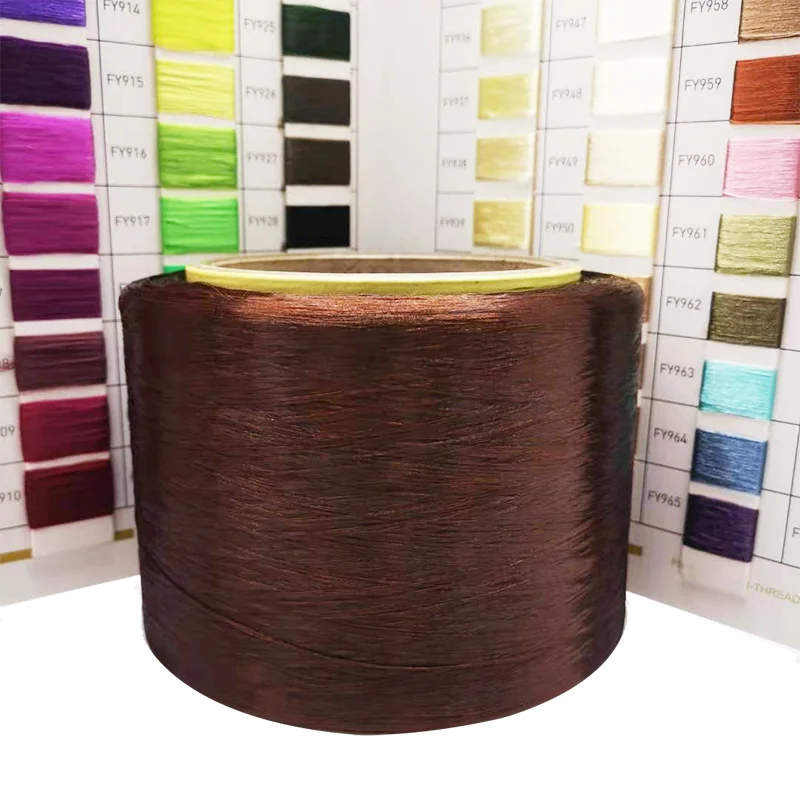
Colorfastness
Another significant advantage of polypropylene yarn is its colorfastness. This means that the colors of the carpet do not fade or change over time, even with regular exposure to sunlight or foot traffic. The dyes used with polypropylene fibers have excellent affinity, ensuring that the colors remain vibrant and consistent throughout the life of the carpet.
This property is particularly important for outdoor carpets that are exposed to the elements. Sunlight, rain, and temperature fluctuations can all contribute to the fading of colors in traditional carpets. However, polypropylene carpets maintain their aesthetic appeal for longer due to their inherent resistance to these factors.
Production Process
The production process of polypropylene carpets begins with the creation of the yarn. Polypropylene pellets are melted and extruded through spinnerets to form continuous filaments. These filaments are then textured, twisted, and treated to give them the desired characteristics before being woven or tufted into carpets.
During the dyeing process, high-temperature dyeing methods are often used to ensure that the color is locked into the fibers. This not only enhances the colorfastness but also ensures that the colors will not run or bleed when the carpet is exposed to moisture.
Maintenance and Care
The stain resistance and colorfastness of polypropylene carpets make them low-maintenance and easy to care for. Regular vacuuming is usually sufficient to keep them looking fresh and clean. For tougher stains, a mixture of warm water and mild detergent can be used, followed by a thorough rinse to remove any residue.
Environmental Considerations
Polypropylene is a recyclable material, which makes it an environmentally friendly choice for carpet production. At the end of their life cycle, polypropylene carpets can be recycled into new products, reducing waste and the demand for virgin materials.
https://www.futureyarn.com/The-Versatility-of-Polypropylene-Yarn-in-Carpet-Manufacturing.html
Hangzhou Futureyarn Textile Co.,Ltd.