
Introduction
Municipal water treatment plants play a vital role in supplying safe and reliable drinking water to communities. As urban populations continue to grow and environmental conditions become increasingly complex, water utilities face greater challenges in maintaining high water quality while controlling operating costs. Many municipalities rely on surface water sources such as rivers, lakes, reservoirs, and canals, which are susceptible to seasonal changes, pollution, algae blooms, suspended solids, and organic contaminants.
Treating these water sources efficiently requires advanced filtration technologies that can handle fluctuating water quality while ensuring stable system performance. A surface water filtration system has become an essential component of modern municipal water treatment plants because it effectively removes suspended particles before downstream treatment processes. By improving pretreatment efficiency, these systems help reduce chemical consumption, protect downstream equipment, and ensure consistent water quality.
This practical guide explains how surface water filtration systems work, their benefits for municipal water treatment plants, key selection criteria, maintenance requirements, and future development trends.
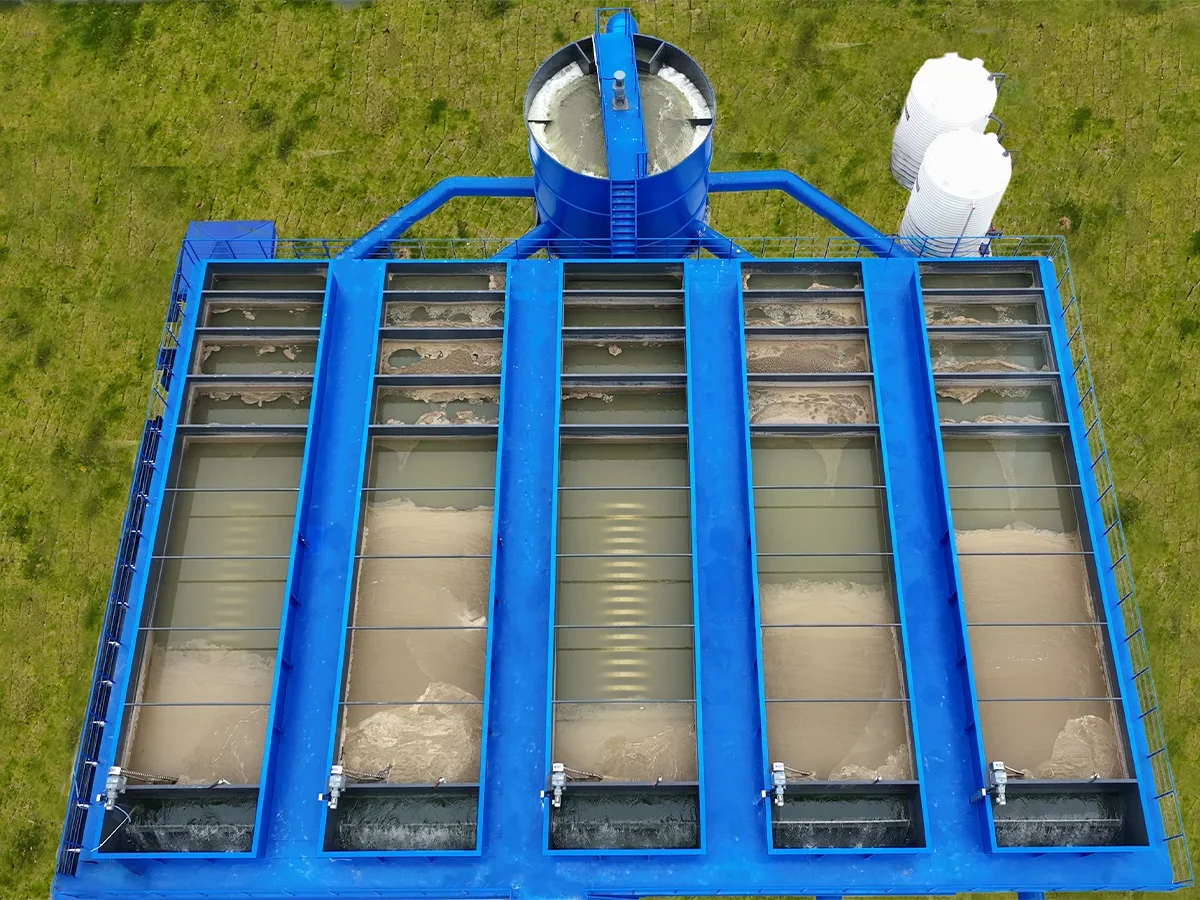
Why Municipal Water Treatment Plants Need Surface Water Filtration Systems
Surface water is one of the most widely used sources for municipal drinking water production. Compared with groundwater, surface water is easier to access and often provides larger volumes of water. However, it also presents more complex treatment challenges.
Natural water bodies are constantly influenced by weather, seasonal runoff, agricultural activities, industrial discharge, and biological growth. Heavy rainfall can significantly increase turbidity, while warm temperatures may trigger algae blooms that affect both water quality and treatment efficiency.
Without proper filtration, these contaminants can create operational problems throughout the treatment process.
Common issues include:
-
High turbidity levels
-
Suspended solids
-
Algae and plankton
-
Organic debris
-
Fine sediment
-
Floating particles
-
Seasonal water quality fluctuations
A surface water filtration system serves as the first line of defense by removing these contaminants before water enters coagulation, sedimentation, membrane filtration, or disinfection processes.
Common Challenges of Treating Surface Water
Municipal treatment plants must manage a wide variety of water quality issues throughout the year. Understanding these challenges helps explain why efficient filtration systems are so important.
Seasonal Turbidity Changes
Rainstorms often wash soil and sediment into rivers and reservoirs. As turbidity rises, treatment plants experience increased loading on clarification and filtration equipment.
Without effective pretreatment, excessive suspended solids can shorten filter cycles and increase chemical usage.
Algae Blooms
Algae growth has become an increasing concern worldwide due to warmer temperatures and nutrient pollution.
Large quantities of algae can cause:
-
Filter clogging
-
Taste and odor problems
-
Increased organic loading
-
Higher disinfectant demand
-
Reduced treatment efficiency
Modern surface water filtration systems are highly effective at removing algae before downstream treatment.
Floating Debris
Surface water often contains floating materials such as:
-
Leaves
-
Branches
-
Grass
-
Plastic waste
-
Aquatic plants
Although coarse screens remove larger objects, fine filtration is still necessary to eliminate smaller suspended particles that may damage equipment.
Variable Water Quality
Unlike groundwater, surface water quality changes continuously.
Municipal treatment plants require filtration systems capable of adapting to varying:
-
Flow rates
-
Turbidity
-
Organic matter concentrations
-
Seasonal contaminants
Automatic filtration technologies provide stable performance despite these changing conditions.
How a Surface Water Filtration System Works
A modern surface water filtration system combines several treatment stages to improve water quality before the main purification process.
Water Intake Screening
The treatment process begins at the water intake.
Large debris is removed using coarse screens or rotary screens, preventing damage to pumps and downstream equipment.
Typical materials removed include:
-
Branches
-
Leaves
-
Plastic materials
-
Floating vegetation
This preliminary step extends equipment life and improves filtration efficiency.
Fine Particle Filtration
After pre-screening, water flows through the primary filtration unit.
Many municipal plants now use cloth media filtration technology because of its ability to remove fine suspended solids while maintaining relatively low energy consumption.
Depending on system configuration, filtration can effectively remove:
-
Fine sediment
-
Algae
-
Suspended solids
-
Organic particles
-
Colloidal materials
The result is significantly lower turbidity entering subsequent treatment processes.
Automatic Backwash Cleaning
As contaminants accumulate on the filter media, filtration resistance gradually increases.
Instead of shutting down the system for manual cleaning, automatic backwash technology periodically removes accumulated particles.
This process offers several advantages:
-
Continuous operation
-
Minimal operator intervention
-
Stable filtration performance
-
Reduced maintenance requirements
-
Lower operating costs
Automatic cleaning makes modern surface water filtration systems particularly suitable for large municipal facilities operating around the clock.
Key Benefits for Municipal Water Treatment Plants
Installing an advanced surface water filtration system provides numerous operational and economic benefits.
Improved Water Quality
The primary advantage is enhanced raw water quality before subsequent treatment stages.
Lower turbidity improves:
-
Coagulation efficiency
-
Sedimentation performance
-
Membrane protection
-
Final water quality consistency
This contributes to safer drinking water production.
Reduced Chemical Consumption
Cleaner incoming water often requires less coagulant and fewer treatment chemicals.
Lower chemical usage results in:
-
Reduced operating costs
-
Simplified sludge handling
-
Improved environmental sustainability
Municipal utilities can therefore improve both economic and environmental performance.
Extended Equipment Life
Suspended solids accelerate wear on pumps, valves, membranes, and pipelines.
Removing abrasive particles early helps protect critical equipment and reduces unexpected maintenance.
Longer equipment life also lowers capital replacement costs over time.
Lower Maintenance Requirements
Automatic filtration systems require significantly less manual cleaning than conventional filters.
Maintenance staff spend less time on routine cleaning while system reliability improves.
This is especially valuable for large treatment plants operating continuously.
Stable Treatment Performance
Surface water quality changes throughout the year.
Advanced filtration systems automatically adapt to varying conditions while maintaining consistent treatment efficiency.
Stable pretreatment allows downstream processes to operate more efficiently under changing environmental conditions.
Main Applications in Municipal Water Projects
Surface water filtration systems are widely used across different municipal water treatment scenarios.
Drinking Water Treatment Plants
Municipal drinking water facilities are the most common application.
Filtration removes suspended solids before clarification and disinfection, improving the overall treatment process.
Reservoir Water Treatment
Reservoirs often experience seasonal algae growth and sediment accumulation.
Efficient filtration improves raw water quality while reducing treatment complexity.
River Water Treatment
River water quality can change rapidly after rainfall.
Automatic filtration systems help stabilize incoming water quality despite fluctuating turbidity levels.
Emergency Water Supply Systems
Emergency water supply facilities require reliable pretreatment solutions capable of handling highly variable raw water conditions.
Surface water filtration systems provide dependable operation during emergency situations.
Water Reuse Projects
Many municipalities now incorporate reclaimed or partially treated surface water into non-potable water systems.
Filtration helps improve water quality before reuse applications such as landscape irrigation, industrial cooling, and municipal cleaning.
Choosing the Right Surface Water Filtration System
Selecting the appropriate filtration system requires careful evaluation of multiple technical and operational factors.
Evaluate Raw Water Characteristics
The first step is analyzing the source water.
Important parameters include:
-
Turbidity
-
Suspended solids concentration
-
Algae levels
-
Organic matter
-
Seasonal variations
-
Flow fluctuations
Accurate water analysis helps determine the most suitable filtration technology.
Determine Required Treatment Capacity
Municipal treatment plants vary greatly in size.
Some small communities process only a few thousand cubic meters per day, while major cities require hundreds of thousands of cubic meters daily.
The selected surface water filtration system should be designed to accommodate both current demand and future expansion.
Consider Filtration Precision
Different municipal projects require different levels of filtration accuracy.
Higher filtration precision generally improves downstream treatment performance but should also be balanced with hydraulic efficiency and maintenance requirements.
Assess Automation Features
Modern municipal facilities increasingly rely on intelligent control systems.
An advanced filtration system should support:
-
Automatic backwashing
-
Online monitoring
-
Pressure differential control
-
Remote operation
-
Alarm functions
-
Integration with plant automation systems
These features improve operational efficiency while reducing labor costs.
Review Operating Costs
Initial equipment cost is only one part of the investment.
Municipal buyers should evaluate the total life-cycle cost, including:
-
Energy consumption
-
Water usage for backwashing
-
Maintenance expenses
-
Spare parts availability
-
Filter media lifespan
-
Long-term operating reliability
A system with a lower total cost of ownership often provides greater value over its service life.
Operation and Maintenance Best Practices
Even highly automated filtration systems require regular inspection and preventive maintenance to ensure reliable performance.
Operators should routinely monitor filtration pressure, inspect backwash performance, clean intake screens, and check the condition of filter media. Instrument calibration and control system verification should also be performed periodically to maintain accurate operation.
Maintaining detailed maintenance records helps identify performance trends, schedule preventive servicing, and reduce the risk of unexpected downtime.
Proper maintenance not only extends equipment lifespan but also ensures consistent filtration efficiency throughout the year.
Comparing Surface Water Filtration Systems with Conventional Filtration Methods
Traditional sand filters and basic screening systems remain common in some municipal facilities, but modern surface water filtration systems provide several advantages.
Higher Filtration Efficiency
Advanced filter media capture finer suspended particles and algae more effectively, improving pretreatment performance.
Continuous Operation
Automatic backwash allows uninterrupted filtration without frequent shutdowns for manual cleaning.
Lower Water Consumption
Optimized backwash cycles typically reduce cleaning water usage compared with many conventional filtration systems.
Greater Operational Flexibility
Modern systems adapt more effectively to changing water quality and variable flow conditions, making them suitable for diverse municipal applications.
Reduced Long-Term Costs
Although the initial investment may be higher, lower maintenance requirements, reduced chemical consumption, and improved equipment protection often result in lower overall operating costs.
Future Trends in Municipal Surface Water Treatment
Municipal water treatment continues to evolve as cities seek more sustainable and efficient solutions.
Several trends are shaping the future of surface water filtration systems, including:
-
Smart monitoring with real-time data analysis
-
AI-assisted predictive maintenance
-
Energy-efficient filtration technologies
-
Modular system designs for easier expansion
-
Integration with digital water management platforms
-
Improved filter materials with longer service life
As environmental regulations become more stringent and water resources face increasing pressure, advanced filtration technologies will play an even greater role in ensuring safe and reliable municipal water supplies.
Conclusion
A surface water filtration system is an essential pretreatment solution for modern municipal water treatment plants. By effectively removing suspended solids, algae, organic matter, and other contaminants from rivers, lakes, reservoirs, and canals, these systems improve raw water quality and enhance the efficiency of downstream treatment processes.
For municipalities seeking reliable, cost-effective, and sustainable water treatment solutions, investing in an advanced surface water filtration system can deliver significant long-term benefits. Improved filtration efficiency, lower operating costs, reduced maintenance requirements, and enhanced equipment protection all contribute to safer drinking water production and more resilient municipal infrastructure.
As cities continue to modernize their water treatment facilities, surface water filtration systems will remain a key technology for meeting growing water demands while maintaining high standards of public health and environmental responsibility.
www.jinhuacn.com
jinhuacn