
 admin
Lithium iron phosphate (LFP) cathode slurry is used for cathode coating in lithium-ion batteries and is typically composed of LFP powder, conductive agent, binder, and solvent. Both aqueous systems and solvent-based systems are used. The purpose of grinding is to open up powder agglomerates, uniformly distribute the conductive agent and binder, control particle size and distribution, and improve coating appearance, compaction density, and electrochemical performance. LFP cathode slurry generally requires D50 in the range of 0.5–2 μm. If the particle size is too large, particles and scratches may appear in the coating, and compaction density and rate performance may be affected; if the particle size is too fine, specific surface area increases, and side reactions and slurry viscosity may rise. Therefore, stable fineness and distribution control are key focuses in the grinding process.
The RUCCA DF-High efficiency disk horizontal bead mill is recommended. This series adopts a pin-type high-energy-density structure, in which the rotor and pins form shear, impact, and friction zones within the grinding chamber, making it suitable for medium- to high-viscosity slurries. By adjusting media specifications, filling rate, linear speed, flow rate, and circulation passes, fineness can be controlled stably. Zirconia beads can be selected as grinding media, with specifications determined by initial particle size and target fineness. Wetted parts are made of high wear-resistant materials to accommodate the abrasiveness of cathode materials and reduce wear and metal contamination. LFP has relatively high hardness, and long-term grinding causes wear to the chamber, rotor, pins, separation structure, and piping. Material selection affects equipment service life and slurry cleanliness. Because metal ion introduction may affect battery performance, options such as ceramics, polyurethane, and wear-resistant stainless steel can be selected, and seals should be chosen according to the system.
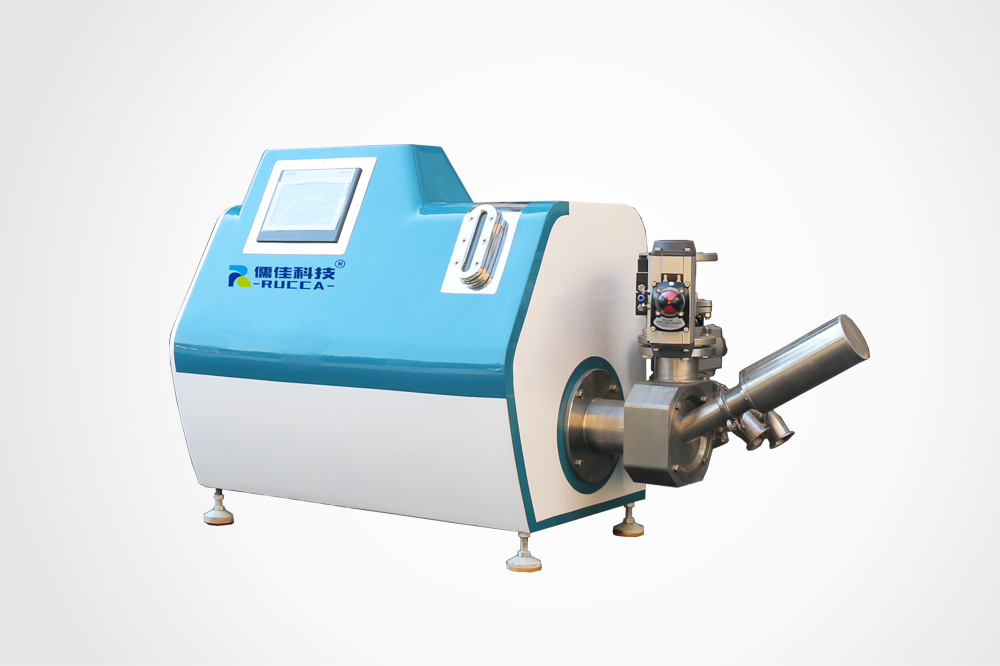
Combined with the Inline dispersing system-low viscosity IDS for pre-dispersion, dust-free powder feeding and instantaneous wetting can be completed before the powder enters the bead mill, reducing dust flying and material loss. With good pre-dispersion, the size of agglomerates decreases, dispersants take effect faster, and the number of subsequent grinding passes is reduced by 30%–50%. This helps reduce energy consumption, media wear, and temperature rise, and also makes fineness and viscosity more consistent between batches. For conductive agents such as conductive carbon black and carbon nanotubes, pre-dispersion can help open up clusters and reduce structural damage caused by excessive shear. Aqueous systems require attention to rust prevention, corrosion protection, and pH changes; solvent-based systems require attention to solvent-resistant seals, ventilation, and solvent recovery. When flammable solvents are present, explosion-proof motors, electrical systems, electrostatic grounding, and workshop conditions must be evaluated.
Temperature control also requires attention. If heat generated during grinding accumulates, the binder may fail, solvent may evaporate, or the slurry may gel. The equipment can be equipped with a cooling system and adjusted in combination with cooling water temperature, flow rate, feed rate, and grinding passes. For cleaning and product changeover, piping, valves, pump bodies, and the grinding chamber should be easy to disassemble and clean to reduce residue. During process scale-up, the bead mill model, media specifications, filling rate, linear speed, flow rate, and circulation passes can first be determined on lab or pilot equipment, and then scaled up to production models. Testing items may include particle size distribution, solid content, viscosity, pH, Zeta potential, metal impurities, storage stability, coating appearance, peel strength, and electrochemical performance. Sample testing is recommended; RUCCA will recommend a configuration based on capacity targets. If you have a specific LFP slurry formulation, you can contact RUCCA to send samples for testing, and technical personnel will recommend a suitable solution based on material characteristics.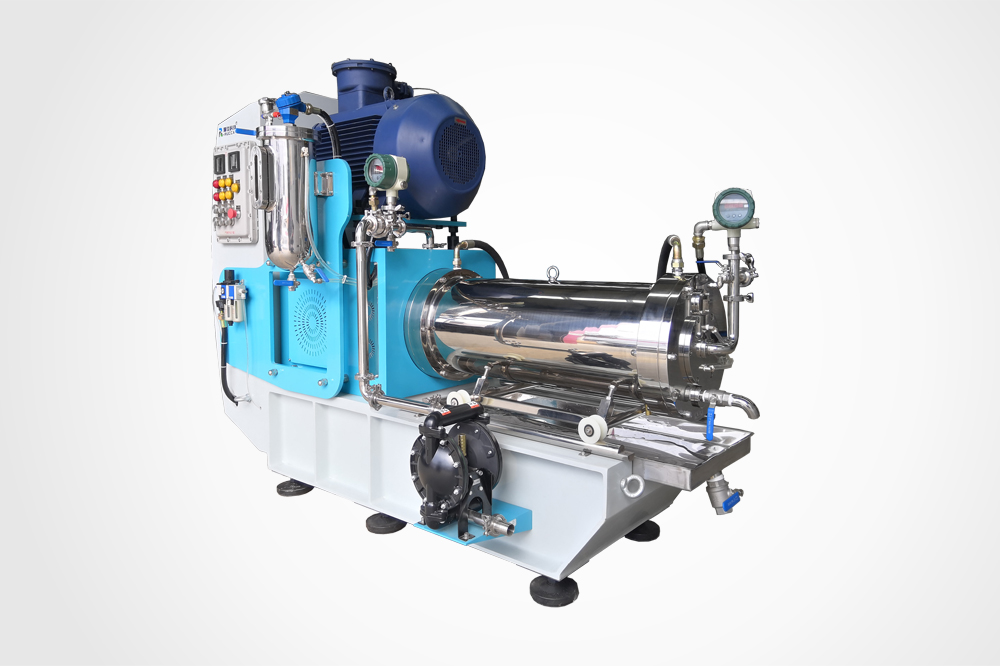
www.ruccagroup.net
RUCCA